
I N S U R A N C E

Maternity Insurance Guide for Families in 2026

Maternity Cover in Health Insurance

Raising a family is one of the finest experiences life offers, but coming in the year 2026, it is certainly a big financial commitment too. With the exorbitant costs involved in quality healthcare service provision in India, including the fact that C-sections could cost anywhere from ₹75,000 to over ₹2.5 Lakh in private hospitals, it has become increasingly important for people to have an adequate health insurance policy.

The problem lies in the fact that obtaining maternity insurance is not the same as buying your standard health insurance coverage, and comes with its own set of complications that require your due consideration. Below is a guide for doing this.

1. The Waiting Period: Timing is Everything

The most critical factor in maternity insurance is the waiting period. Unlike standard hospitalisation cover, which might have a 30-day window, maternity benefits usually carry a waiting period ranging from 9 months to 4 years.

If you are already pregnant, most retail health policies will not cover your delivery expenses. Insurers implement these periods to ensure people don’t buy a policy only when a claim is imminent. If you are thinking of starting a family within the next one or two years, you will have to get covered right away for the clock to start ticking on your side.

2. Maternity Sub-limits (The Payout Cap)

A common misconception is that if you have a ₹10 Lakh health insurance policy, you have ₹10 Lakh for your delivery. This is rarely the case.Most plans have a maternity sub-limit, which is a fixed cap on how much the insurer will pay for childbirth.

For instance, a policy might cover up to ₹50,000 for a normal delivery and ₹75,000 for a C-section. If your private hospital bill reaches ₹1.5 Lakh, you will have to pay the remaining balance out of pocket.  Always compare these caps against the average costs of your preferred local hospitals.

3. Newborn Baby Cover & Vaccinations

A comprehensive policy doesn’t stop at the mother’s discharge. Check if the plan includes a “Baby Day 1” cover. This ensures that if the newborn requires immediate medical attention—such as a stay in the Neonatal Intensive Care Unit (NICU) or treatment for jaundice—those costs are covered under the mother’s policy.In addition to this, choose plans which cover the initial year of mandatory vaccinations since these costs can add up fast.

4. Pre and Post Delivery Costs

The process of becoming parents includes a lot of ultrasound tests, lab tests, and consultations before the arrival of the child and then after his or her birth. Good maternity coverage will include all those expenses. Typically, insurers cover these for a specific window (e.g., 30 days before and 60 days after hospitalisation). Ensure these diagnostic tests are part of the package to reduce your total out-of-pocket expenditure.

Inclusions and Exclusions

All expenses incurred due to pregnancy may not necessarily be catered for. Even though most of them may be covered by health insurance plans, others such as IVF (In vitro fertilization), infertility treatment, or voluntary abortion may not be included at all or may require the acquisition of another rider. In addition to these, there are other consumable items which may be used during your visit that are billed separately.

Interpreting health insurance policies needs both intelligence and sagacity. Being an expert in the field of health insurance, Insurance Guru is a premium consultancy company which provides advice on health insurance plans and sells these plans too. If you are a young couple thinking about your future or a family growing up requiring comprehensive coverage, we would assist you in choosing the right health insurance plan for your needs. We offer our services in Mohali, making your maternity insurance easy for you.

Pre-Existing Diseases and Health Insurance: What Indian Policies Actually Cover

pre-existing diseases and health insurance in India

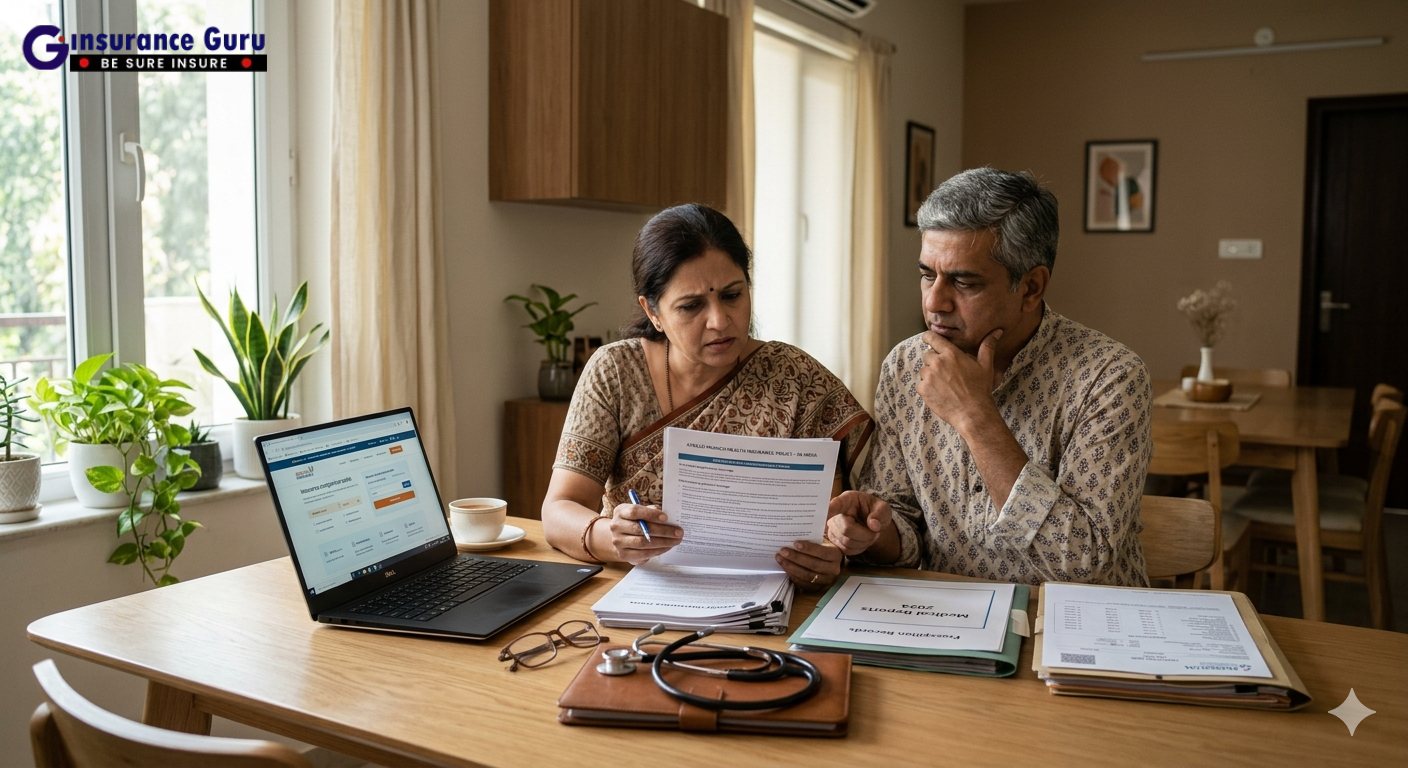
Ask anyone who’s been through the process of buying health insurance with a known medical condition, and they’ll tell you the same thing, it’s confusing, it feels unfair at times, and the fine print rarely explains things clearly enough to make you feel confident about what you’re actually getting.

Diabetes. Hypertension. Asthma. Thyroid disorders. These are conditions that tens of millions of Indians live with every day. And yet, the moment you tick “yes” on that declaration form, the policy starts to feel like it was designed with someone else in mind.

Here’s what’s actually happening and what you need to know before you sign anything.

What Counts as a Pre-Existing Disease?

Under IRDAI guidelines, a pre-existing disease (PED) is any condition, ailment, injury, or illness that you were diagnosed with, or showed symptoms of, within 48 months before taking a new health insurance policy.

So if you were diagnosed with Type 2 diabetes three years ago and you’re buying a new policy today, that qualifies as a pre-existing condition. Same goes for high blood pressure, heart disease, kidney issues, joint problems, anything that was already part of your medical history when you walked in.

What does NOT count as pre-existing: conditions you develop after the policy start date. Those are covered from the beginning, subject to normal waiting periods.

The Waiting Period: This Is Where Most People Get Caught

Here’s the part insurers don’t emphasise enough at the time of sale.

Most health insurance policies in India impose a waiting period of 2 to 4 years specifically for pre-existing conditions. During this time, if you’re hospitalised for anything directly related to your PED, the claim will be rejected.

So if you have hypertension and you’re hospitalised for a hypertension-related stroke in year two of your policy, even with full premium payments, that claim may not get paid.

The waiting period varies by insurer and by plan. Some premium plans offer a reduced waiting period of 1 year or even less. A few specialised policies come with a 90-day waiting period for PEDs. But the standard across most affordable plans remains 3 to 4 years.

This is the single most important thing to check before buying, not the premium, not the sum insured. The waiting period.

What Happens After the Waiting Period?

Once the waiting period ends, your pre-existing condition is generally covered like any other illness. Hospitalisation, day-care procedures, related medications during a hospital stay, surgery, all of it falls under normal policy coverage.

Some policies also cover complications arising from a pre-existing condition. For example, diabetic retinopathy or kidney failure due to diabetes may be covered once the waiting period is complete. But again, the policy wording matters enormously here. “Related complications” is interpreted differently across insurers.

Disclosure: The Rule You Cannot Afford to Break

A lot of people consider not disclosing a condition at the time of purchase, either because they think it won’t matter or because they’re worried about rejection.

This is a serious mistake. If a claim is filed and the insurer discovers an undisclosed condition that predates the policy, they have the legal right to reject the claim entirely and cancel the policy. No refund. No cover. Nothing.

Always disclose. The right advisor will find you a policy that works despite your medical history, not around it.

Loading Charges: The Hidden Extra Cost

Some insurers don’t reject applicants with PEDs outright. Instead, they charge a higher premium, called a loading charge to account for the additional risk. This can range from 10% to 50% extra on top of the base premium.

If you’re offered a policy with loading, compare it against alternatives. Sometimes a different insurer offers the same coverage with a standard premium and just a longer waiting period, which may actually work out better financially over time.

Get the Right Advice from Insurance Guru

At Insurance Guru, we’ve spent over 15 years helping individuals and families across Mohali and Punjab navigate exactly these situations, pre-existing conditions, confusing policy terms, rejected claims, and the anxiety that comes with not knowing if you’re actually covered.  We compare policies across every major insurer, explain the waiting periods in plain language, and make sure you know what you’re buying before you buy it. If you or a family member has a pre-existing condition and you’re unsure which policy actually makes sense, call us. That’s exactly what we’re here for.

Digital Ready: Everything You Need to Keep Handy Before Buying Motor Insurance Online

Buying motor insurance online India

Gone are the days when you had to chase down insurance agents or wait for your courier service to get your motor insurance in India. With today’s digital world, it is possible to purchase motor insurance online in India with a click of a button.

But the key to “fast and easy” lies in ensuring that you have all the required documents in hand. No one wants to disrupt their online purchase with a hunt for the engine number or past policies during the payment process. So, before you begin purchasing motor insurance take a look at our list of things you should be prepared with.

1. The Vehicle’s “Identity Card”: The RC (Registration Certificate)

The Registration Certificate is the most crucial document needed for motor insurance purposes. The actual card may not be necessary, but you should have the digital certificate available.

There are technical requirements on the website that you cannot assume. Make sure to check the following:

  • Registration Number: For example, DL 01 AB 1234.
  • Engine and Chassis Number: This information can be found on your RC. These details are essential in confirming the legitimacy of your car.
  • Car Make, Model, and Variant: Your variant may affect the process. A VXI variant may have other insurance coverage than a ZXI variant.
  • Registration Date: The date when the car was first registered.

2. Your Previous Policy Details

If you are not purchasing insurance for a brand new vehicle, then you will definitely require your old expired or expiring insurance policy document. The reason is that the new insurance company wants your previous record.

Look for the following things:

  • Policy Number: For matching your new insurance policy with your previous insurance record.
  • Expiry Date: It will help the computer system check if the insurance policy has been expired for more than 90 days. In that case, you will lose your NCB (No Claim Bonus).
  • Name of Previous Insurance Company: For verifying any claim history.

3. The “Money Saver”: No Claim Bonus (NCB) Certification

The No Claim Bonus is an incentive for being a good driver. If you have not claimed your insurance during the past year, you deserve a discount on your “Own Damage” premium, which may reach up to 50 percent during five years without making any claims.

While purchasing the car insurance policy, the NCB will be requested from you. It is important to find out what your NCB is by looking at your past policy. Otherwise, it might result in the denial of all future claims.

4. Personal Identification and Contact Data

Even though this is an insurance policy for the car, the contract is made with you. Most of the portals online in India have started using the KYC procedure for issuing immediate policies. Following things are needed:

  • Aadhar or PAN card number: Usually needed in case of mandatory KYC procedure.
  • Email ID: The e-policy will be mailed to your email ID immediately.
  • Phone number: Needed for OTP verification and claim assistance purposes.

5. Decision Points: Add-ons and IDV

Make the decision regarding your coverage philosophy before you begin. Motor insurance online is not only about paying less but getting the best coverage possible.

  • IDV (Insured Declared Value): This is basically the value of your vehicle today. A low IDV will result in lesser premiums but also lesser compensation in the event of total damage or theft.
  • Pick the Optional Covers: Determine whether you require Zero Depreciation Cover, Roadside Assistance, or Engine Protector cover. These decisions made prior to shopping will save you from making hurried ones at checkout.

6. Payment Readiness

Online Portals have different payment options like UPI, Credit/Debit Card, and Net Banking. Make sure that your limit on transactions per day is adequate for the premium amount because it is important when covering a luxury car.

Why Preparation Matters

Motor insurance purchase on the Internet in India aims to be self-explanatory. With this information handy, there is no chance of any mistake during typing, which is often responsible for most of the disagreements during claims processing.

Insurance Guru allows one to enter this information into an easy-to-use interface, get quotations from leading insurance companies, and have your policy document delivered to your inbox in just minutes. Be ready, be safe, and be at ease.

Affordable Health Insurance: How to Choose

Healthcare costs in India are rising rapidly, making health insurance no longer a luxury but a necessity. Whether it’s a minor hospitalization or a major medical emergency, expenses can quickly drain your savings. That’s why finding affordable health insurance is crucial for individuals and families alike.

However, affordability doesn’t mean choosing the cheapest plan blindly. The right approach is to balance cost with coverage. In this guide, we’ll help you understand how to choose the best plan without compromising on protection with expert insights from Insurance Guru.


Why Affordable Health Insurance Matters

Many people delay buying insurance thinking it’s expensive. But the reality is, low cost health insurance can protect you from high medical bills. Even basic plans provide financial support during emergencies.

With increasing demand, insurers now offer a wide range of health insurance plans India designed for different income groups. From individuals to families, there are options for everyone.

Step 1: Understand Your Healthcare Needs

Before choosing a plan, assess your personal and family health requirements. Ask yourself:

  • Do you need individual or family health insurance plans in India?
  • Are there any pre-existing medical conditions?
  • What is your age and lifestyle?
  • Do you need maternity or senior citizen coverage?

Understanding your needs helps you choose budget health insurance plans that provide adequate protection.

Step 2: Compare Health Insurance Premiums

Never select a plan without comparing options. A proper health insurance premium comparison helps you find the best value for money.

While comparing, consider:

  • Premium vs coverage
  • Network hospitals
  • Claim settlement ratio
  • Waiting periods
  • Add-ons and benefits

Online tools make it easy to buy health insurance online India by comparing multiple policies in minutes.

Step 3: Look Beyond Cheap Health Insurance Plans

While cheap health insurance plans may look attractive, they often come with limitations like:

  • Lower coverage amount
  • Limited hospital network
  • Higher co-payment clauses
  • Restricted benefits

Instead of focusing only on price, choose a plan that offers comprehensive coverage at a reasonable cost.

Step 4: Check Coverage Benefits Carefully

A good policy should offer more than just basic hospitalization coverage. The best health insurance plans India typically include:

  • Cashless hospitalization
  • Pre and post-hospitalization expenses
  • Daycare procedures
  • Ambulance charges
  • Preventive health checkups

These features ensure complete financial protection.

Step 5: Consider Family Coverage

If you have dependents, opting for family health insurance plans India can be more cost-effective than buying individual policies.

Family plans offer:

  • Shared sum insured
  • Lower premium compared to separate policies
  • Coverage for all members under one plan

This is especially beneficial for families looking for health insurance for low income families.


Step 6: Check Network Hospitals

A wide hospital network ensures smooth cashless treatment. Always verify if the insurer has tie-ups with reputed hospitals in your area.

Choosing the right network reduces out-of-pocket expenses and improves claim experience.

Step 7: Understand Waiting Periods and Exclusions

Every policy has certain exclusions and waiting periods, especially for pre-existing diseases. Make sure you:

  • Check waiting period duration
  • Understand exclusions clearly
  • Verify coverage for specific treatments

Ignoring these details can lead to claim rejections later.

Step 8: Choose the Right Sum Insured

Medical costs are increasing every year. A low sum insured may not be enough during emergencies.

For urban areas, experts recommend at least:

  • ₹5–10 lakh for individuals
  • ₹10–20 lakh for families

Choosing adequate coverage ensures long-term protection.

Step 9: Buy Health Insurance Online for Better Deals

Today, it’s easier than ever to buy health insurance online India. Online platforms offer:

  • Easy comparison
  • Transparent pricing
  • Instant policy issuance
  • Better discounts

This helps you find affordable health insurance without hassle.

Common Mistakes to Avoid

While choosing a policy, avoid these mistakes:

  • Selecting plans based only on low premium
  • Ignoring policy terms and conditions
  • Not comparing multiple plans
  • Choosing insufficient coverage
  • Delaying purchase

Being informed helps you make smarter decisions.

How Insurance Guru Helps You Choose the Right Plan

At Insurance Guru, we understand that choosing the right insurance can be confusing. That’s why we provide:

  • Personalized plan recommendations
  • Easy comparison of health insurance plans India
  • Expert advice on affordable health insurance
  • Support in claim process and documentation

Our goal is to help you find the best coverage at the right price—without confusion or hidden terms.

Final Thoughts

Choosing affordable health insurance is about making smart, informed decisions—not just picking the cheapest plan. By understanding your needs, comparing policies, and selecting the right coverage, you can secure your health and finances.

With rising healthcare costs, investing in the best health insurance plans in India is one of the smartest decisions you can make today. And with expert guidance from Insurance Guru, finding the right plan becomes simple, transparent, and stress-free.


FAQs

You can find cheap health insurance plans by comparing policies online, checking coverage benefits, and selecting plans that match your needs without unnecessary add-ons.

Low cost health insurance can be sufficient if it offers adequate coverage, cashless facilities, and essential benefits. Always check policy details before choosing.

Yes, you can easily buy health insurance online in India using comparison tools. It allows you to compare premiums, benefits, and insurers quickly.

Insurance Guru helps you compare plans, understand coverage, and choose the best affordable health insurance plan with expert guidance and support.


Why You Should Review Your Insurance Every Year

Insurance is not something you buy once and forget. Your life changes every year—income grows, responsibilities increase, assets expand, and risks evolve. That’s why an insurance review is essential to ensure your protection keeps up with your needs. Yet, many people in India continue their policies without conducting an annual insurance check, leaving gaps in coverage that may only become visible during a claim. If you want to stay financially secure, understanding the importance of annual insurance review is the first step.

What Is an Insurance Policy Review?

An insurance policy review is the process of evaluating your existing policies to check whether they still match your current financial situation, lifestyle, and risk exposure. It involves checking your coverage limits, benefits, add-ons, exclusions, and premium costs.

In India, insurance regulations and product features are regularly updated. Conducting an insurance coverage update ensures your policy aligns with the latest offerings and your evolving needs.

Why Review Insurance Policy Every Year?

Many people ask, why review insurance policy every year? The answer is simple because your life is constantly changing.

An annual review helps you:

  • Identify gaps in coverage
  • Adjust your sum insured
  • Add or remove riders
  • Ensure cost-effectiveness
  • Stay compliant with updated policy terms

Without reviewing your policy, you may be underinsured or paying for benefits you no longer need.

How Often Should You Review Insurance Plans?

A common question is, how often should you review insurance plans? Experts recommend conducting an annual insurance review at least once a year or after major life events such as:

  • Marriage
  • Birth of a child
  • Buying a home
  • Job or income change
  • Starting a business

Regular reviews help you stay protected against both expected and unexpected risks.

Key Areas to Check During Insurance Review

If you’re wondering how to review insurance coverage annually, here’s a simple checklist:

1. Coverage Adequacy

Check if your current coverage is enough. Rising medical costs and property values in India mean you may need a higher sum insured.

2. Policy Benefits and Add-Ons

Evaluate if your policy includes relevant riders. For example, health insurance may need critical illness cover or cashless benefits.

3. Premium vs Value

Ensure you are getting value for your premium. Compare your existing plan with new market options.

4. Exclusions and Waiting Periods

Review policy exclusions carefully to avoid surprises during claims.

5. Claim Process Efficiency

Understand the insurer’s claim settlement process and ratio.

This insurance policy update checklist helps you make informed decisions.

Importance of Reviewing Health Insurance Every Year

Healthcare costs in India are rising rapidly. That’s why it’s crucial to review health insurance policy every year. You should check:

  • Hospital network and cashless facilities
  • Coverage for modern treatments
  • Waiting periods for pre-existing diseases
  • Adequacy of sum insured

If your coverage hasn’t increased over time, it may not be enough to handle current medical expenses.

When Should You Update Your Insurance Policy?

Another important question is, when should you update your insurance policy? Apart from annual reviews, you should update your plan when:

  • Your income increases significantly
  • You acquire new assets
  • Your family size grows
  • Your financial responsibilities change

Timely insurance coverage update ensures you’re always protected against new risks.

Check If Your Insurance Coverage Is Enough

One of the biggest mistakes people make is assuming their old policy is sufficient. You must regularly check if your insurance coverage is enough based on:

  • Inflation
  • Lifestyle changes
  • New liabilities
  • Market conditions

For example, a ₹5 lakh health insurance policy that was sufficient five years ago may not be enough today.

Benefits of Annual Insurance Review

Understanding annual insurance review benefits can help you stay proactive:

  • Avoid underinsurance
  • Optimize premium costs
  • Improve claim success chances
  • Stay updated with new features
  • Enhance overall financial planning

An updated insurance plan ensures your financial safety net remains strong.

How to Improve Insurance Coverage Over Time

If you’re wondering how to improve insurance coverage over time, consider:

  • Increasing sum insured periodically
  • Adding relevant riders
  • Switching to better plans
  • Combining policies for better coverage
  • Consulting experts for guidance

Continuous improvement ensures your protection grows with your life.

Insurance Planning in India: A Continuous Process

In India, insurance planning should not be treated as a one-time task. Regulatory updates, new product launches, and changing personal needs require ongoing evaluation.

Whether it’s health, life, motor, or home insurance, conducting a review insurance policy exercise every year keeps your financial protection aligned with reality.

How Insurance Guru Helps You Stay Updated

At Insurance Guru, we believe insurance should evolve with your life. Our expert advisors help you:

  • Conduct a complete insurance coverage check
  • Compare plans and benefits
  • Identify gaps and risks
  • Recommend cost-effective solutions
  • Ensure smooth claim support

With Insurance Guru, your insurance is not just active—it’s optimized.

Final Thoughts

Insurance is your financial safety net—but only if it’s up to date. An annual insurance policy review ensures your coverage remains relevant, sufficient, and effective.

Don’t wait for a claim to discover gaps in your policy. Take time for an annual insurance check, understand the importance of annual insurance review, and make necessary updates.

With the right approach—and expert support from Insurance Guru you can stay protected, confident, and financially secure every year.

FAQs

During an insurance review, check your coverage amount, policy benefits, add-ons, exclusions, and premium costs. Also review claim settlement ratios and whether your current insurer meets your needs. This helps you identify gaps and ensures your policy provides adequate protection.

It is recommended to review your insurance plans at least once a year. You should also review them after major life events like marriage, childbirth, job changes, or purchasing property to ensure your coverage remains relevant.

Yes, you can update your insurance policy during renewal or when your insurer allows changes. You can increase coverage, add riders, or switch plans based on your evolving needs and financial goals.

Insurance Guru helps you analyze your current policies, identify coverage gaps, compare better plans, and recommend the right updates. Their expert guidance ensures you stay fully protected without overpaying.


Why Every Homeowner in India Needs Home Insurance in 2026

Owning a home is one of the biggest financial and emotional investments in a person’s life. It represents security, stability, and years of hard work. However, many homeowners in India still overlook one crucial aspect—protecting their property with the right home insurance policy. As we step into 2026, rising risks, increasing property values, and unpredictable events make home insurance in India more important than ever.


The Growing Need for Home Insurance in India

India is witnessing rapid urbanization, increasing property prices, and changing environmental conditions. From floods and earthquakes to fires and theft, risks to homes are evolving. A single incident can cause severe financial damage.

This is where property insurance India plays a vital role. It protects your home structure, belongings, and financial stability against unexpected losses. Without insurance, homeowners may have to bear heavy repair or replacement costs on their own.


What Does a Home Insurance Policy Cover?

A comprehensive home insurance coverage plan typically protects against multiple risks, including:

  • Fire and explosion damage
  • Natural disasters like floods, storms, and earthquakes
  • Theft and burglary
  • Damage to household contents
  • Temporary accommodation expenses 

Different house insurance plans India offer varying levels of protection, so it’s important to choose a policy that matches your specific needs.


Why Home Insurance Is Essential in 2026

1. Rising Property and Repair Costs

Construction materials, labor, and property values are increasing every year. Repairing or rebuilding a damaged home can cost lakhs. Having the best home insurance India ensures these expenses are covered without affecting your savings.


2. Increasing Natural Disasters

Climate change has led to more frequent floods, storms, and extreme weather conditions. Many regions in India are becoming more vulnerable to natural disasters, making home insurance coverage essential for financial protection.


3. Protection Against Theft and Burglary

Urban areas are witnessing a rise in theft and burglary cases. A good home insurance policy provides compensation for stolen valuables and damaged property, giving homeowners peace of mind.


4. Financial Security for Families

Your home is often your most valuable asset. Without home insurance for homeowners, any unexpected damage could lead to major financial stress. Insurance ensures your family remains secure even during difficult situations.


Affordable Home Insurance Is More Accessible Than Ever

Many homeowners assume insurance is expensive, but that’s no longer true. Today, affordable home insurance India options are available for different budgets and property types.

With flexible premiums and customizable plans, homeowners can choose coverage that fits their needs without overspending. Comparing different policies helps find the best value for money.


Understanding Home Insurance Claims in India

Filing home insurance claims India has become easier with digital processes and faster claim settlements. However, it’s important to:

  • Report incidents promptly
  • Provide proper documentation
  • Understand policy terms and exclusions 

Choosing a reliable insurer with a strong claim settlement record ensures a smooth experience during emergencies.


Types of House Insurance Plans in India

Homeowners can choose from different types of house insurance plans India, including:

  • Structure insurance – Covers the building itself
  • Contents insurance – Protects household items
  • Comprehensive plans – Covers both structure and contents 

Selecting the right combination ensures complete protection.


How to Choose the Best Home Insurance Policy

To select the best home insurance India, consider:

  • Coverage inclusions and exclusions
  • Claim settlement ratio
  • Premium affordability
  • Add-ons and riders
  • Insurer reputation 

A well-informed decision ensures long-term protection and peace of mind.


How Insurance Guru Helps You Protect Your Home

Choosing the right policy can be confusing, especially with multiple options available. That’s where Insurance Guru simplifies the process.

With expert guidance, Insurance Guru helps you:

  • Compare home insurance in India
  • Understand policy terms clearly
  • Select the best coverage for your needs
  • Find affordable home insurance India options
  • Ensure smooth claim support 

With Insurance Guru, you don’t just buy insurance—you make a smart, informed investment in your home’s security.


Final Thoughts

In 2026, home insurance is no longer optional—it’s essential. With rising risks, increasing property values, and unpredictable events, protecting your home should be a priority.

A well-chosen home insurance policy provides financial security, peace of mind, and protection against unexpected losses. Whether it’s natural disasters, theft, or accidental damage, having the right home insurance coverage ensures your home and family remain safe.

With expert support from Insurance Guru, you can confidently choose the right plan and secure your most valuable asset your home.

Protecting Your Foundation: The Modern Standard for Property Security in India

Comprehensive property insurance India

In 2026, the Indian real estate industry experienced a major transition towards high-end residential investments. Whether it is a luxury villa in Mohali or a high-rise apartment in a metropolitan city, your home is your most valuable financial asset. But with the rising instances of unpredictable weather events and urban hazards, a standard fire policy is no longer adequate. Smart homeowners are now turning to Comprehensive property insurance India to make sure that every brick, every beam, and every precious item is protected against the unexpected.

Beyond the Four Walls: What Full Coverage Really Means

Conventional insurance policies tend to have gaps that can be disastrous during the time of a claim. A Comprehensive property insurance India policy is meant to be an “all-risk” policy. While standard policies cover fire-related damages, a comprehensive policy covers natural disasters such as earthquakes, floods, and lightning strikes, as well as man-made risks such as burglary, riots, and accidental damage to fixed glass or sanitary fittings.

This is a crucial aspect of a Comprehensive plan, especially for people living in urban areas. For example, if a short circuit results in a fire that affects your property and your costly modular kitchen, a Comprehensive plan will cover the cost of debris removal and rebuilding the specialized interiors, thus avoiding a huge financial burden on you.

Protecting Your Home’s Contents

A house consists of walls, but a home is full of life. One of the main reasons why you should choose Comprehensive property insurance India is that it protects the “contents” of your home. This includes everything from your furniture and costly electronics to your wardrobe and kitchen appliances.

In today’s world of smart homes, the value of internal gadgets, from home automation systems to high-end home theaters, often stands to match the value of the structure itself. Comprehensive plans provide “New for Old” replacement insurance, which means that if your 65-inch OLED TV is damaged in a storm or stolen, the insurance will help you upgrade to the latest model instead of settling for a depreciated value.

The Growing Imperative of Natural Disaster Protection

The fact is, the diversity of India’s geography presents a variety of risks to different areas. Whether it’s the earthquake-prone areas of Northern India or the cyclone threats of the Southern coast, the unpredictability of the climate is a very real danger to property owners. Property insurance India provides a vital safety net in these situations.

Homeowners often think that their housing society’s insurance policy is sufficient. But the truth is, society insurance policies will only protect the “shell” of the property. They won’t protect the interior decor, the costly flooring, or the wooden woodwork that you’ve invested in. With a comprehensive insurance policy of your own, you can be sure that in the event of a quake or flood specifically targeting your particular unit, you have the financial independence to bring your home back to its former splendor.

Liability and Alternative Accommodation

A smart, modern insurance policy considers the “what if” possibilities that extend beyond property damage. Suppose your home becomes unlivable as a result of a covered peril (such as a massive fire)? Where will you and your family go?In fact, high-end comprehensive policies may come with a “Loss of Rent” or “Alternative Accommodation” benefit, which reimburses you for your hotel stay or the rent of a temporary apartment while repairs are being done in your house.

Finally, “Public Liability” insurance will protect you in case a third party, such as a guest or a domestic employee, is accidentally hurt on your property. In today’s litigious world, this is an underappreciated but crucial aspect of comprehensive property management.

Conclusion: Consulting the Experts for Peace of Mind

Understanding insurance jargon is no easy feat for any homeowner. The difference between a denied claim and a complete reimbursement may very well depend on the first policy chosen and the clarity of the insurance broker. As you seek to protect your family’s future, it is essential to have a trusted expert in your corner. At Insurance Guru, we are dedicated to making complicated policy language accessible and personalized advice that suits your lifestyle and budget. Our aim is to make sure that your home is always a haven of security, protected by a world-class standard of coverage that you can count on when it matters most.

Is Your Business Fully Protected Against Liability Claims?

Running a business is about growth, opportunity, and building trust—but it also comes with responsibility. Every interaction with customers, vendors, or the public carries some level of risk. A simple accident, professional error, or property damage incident can quickly turn into a legal claim. The real question is: Is your business fully protected against liability claims?

Many business owners believe it won’t happen to them until it does. That’s where business liability insurance becomes not just important, but essential.


Understanding Business Liability Insurance

Business liability insurance protects companies from financial losses arising due to legal claims. These claims may result from bodily injury, property damage, negligence, or professional mistakes. Without proper coverage, businesses may have to pay legal fees, settlements, and compensation out of pocket.

In today’s highly regulated and legally aware environment, commercial liability insurance acts as a financial safety net. It ensures that one unexpected lawsuit doesn’t disrupt years of hard work.

Why General Liability Insurance for Business Is Crucial

One of the most common forms of protection is general liability insurance for business. This coverage typically protects against:

  • Third-party bodily injury
  • Property damage
  • Legal defense costs
  • Advertising injury claims 

For example, if a customer slips and falls in your office or store, general liability insurance can cover medical expenses and legal costs. Whether you operate a retail shop, office, or manufacturing unit, this protection is fundamental.


Small Businesses Face Big Risks Too

Some entrepreneurs assume only large corporations need liability coverage. However, small business liability insurance is equally important. In fact, smaller businesses are often more vulnerable because they may lack financial reserves to handle lawsuits.

Even a single claim can lead to serious financial strain. A well-structured business insurance policy ensures small businesses can survive unexpected legal challenges.


Public Liability Insurance: Protecting Against Public Claims

If your business interacts directly with customers or the public, public liability insurance becomes critical. This type of coverage focuses on injuries or property damage caused to third parties due to your business activities.

Restaurants, event organizers, retail outlets, warehouses, and factories are especially exposed to such risks. Public liability insurance ensures your business remains protected from everyday operational hazards.


Professional Liability Insurance for Service Providers

If you provide professional services or advice, the risks are different. Mistakes, omissions, or incorrect guidance can lead to client losses and legal disputes. This is where professional liability insurance also known as errors and omissions coverage becomes essential.

Consultants, doctors, architects, IT firms, and financial advisors often rely on professional liability coverage to safeguard their reputation and finances.

The Importance of Third Party Liability Insurance

In many industries, third party liability insurance is mandatory or strongly recommended. It protects against claims made by external parties who suffer injury or damage due to your operations.

Construction companies, logistics providers, contractors, and manufacturers commonly face third-party risks. Having adequate coverage prevents these incidents from escalating into financial crises.

What Does Business Insurance Coverage Include?

Comprehensive business insurance coverage often combines multiple liability protections under one umbrella. Depending on the policy, coverage may include:

  • Legal defense costs
  • Court settlements
  • Medical expenses for third parties
  • Property damage compensation
  • Advertising and reputational risks 

Every business has unique exposure. Reviewing your coverage annually ensures your protection evolves with your operations.

Liability Insurance for Companies in 2026

With increasing regulatory compliance, consumer awareness, and rising legal costs, liability insurance for companies is more important than ever in 2026. Courts are more accessible, and customers are more informed about their rights.

Businesses that neglect liability coverage may face:

  • Costly lawsuits
  • Reputation damage
  • Business interruptions
  • Regulatory penalties 

A well-designed business insurance policy ensures operational continuity and financial stability.

Signs Your Business May Be Underinsured

You may need to review your coverage if:

  • You only have minimal coverage limits
  • Your business has expanded
  • You offer new services or products
  • You haven’t reviewed your policy in years
  • Your industry regulations have changed 

Liability risks grow with business expansion. What worked two years ago may not be sufficient today.

How Insurance Guru Helps Protect Your Business

At Insurance Guru, we understand that liability insurance can seem complex. Different industries require different levels of protection, and policy terms can be difficult to interpret.

Our approach is simple:

  • Assess your risk exposure
  • Recommend suitable business liability insurance
  • Compare commercial liability insurance options
  • Ensure transparent coverage explanations
  • Help you choose the right protection without overpaying 

Whether you need general liability insurance for business, professional liability insurance, or complete business insurance coverage, Insurance Guru helps you make informed decisions with confidence.


Final Thoughts

Liability claims can happen when you least expect them. A minor incident can quickly turn into a major financial burden if you’re not properly insured. From small business liability insurance to comprehensive liability insurance for companies, the right coverage protects your assets, reputation, and future.

The real question isn’t whether your business will face risk—it’s whether you’re prepared when it does. With expert guidance from Insurance Guru, you can ensure your business is fully protected against liability claims—today and in the years ahead.


FAQs


Certain industries require specific types of liability insurance by law, such as third-party liability coverage. Even when not mandatory, liability insurance is strongly recommended to protect businesses from unexpected legal and financial risks.

General liability insurance covers bodily injury and property damage claims, while professional liability insurance protects against errors, negligence, or mistakes in professional services provided to clients.

Yes, small businesses are equally exposed to legal risks. Small business liability insurance helps protect limited financial resources from costly lawsuits and third-party claims.

Insurance Guru assesses your business risks, compares policies, and recommends suitable liability insurance solutions to ensure complete financial and legal protection.

How to Choose the Best Life Insurance Plan?

Choosing the best life insurance plan is one of the most important financial decisions you will ever make. Life is unpredictable, and while we cannot control the future, we can prepare for it. A well-chosen life insurance policy ensures your family remains financially secure even in your absence.

With so many life insurance plans in India available today, selecting the right one can feel overwhelming. From term life insurance to savings-based policies, the options are vast. The key is understanding your needs, comparing features, and making an informed decision.


Why Life Insurance Is Important

Life insurance is more than just a policy it is a promise of financial stability for your loved ones. It provides:

  • Income replacement
  • Protection against liabilities
  • Financial support for children’s education
  • Coverage for outstanding loans
  • Peace of mind

Without adequate life insurance coverage, your family may struggle to maintain their lifestyle or meet financial obligations.

Understand Your Financial Goals

Before you buy life insurance online or through an advisor, identify why you need it. Ask yourself:

  • Do I want pure protection?
  • Do I need savings and investment benefits?
  • How much coverage does my family require?

If your main goal is financial protection at an affordable cost, term life insurance may be the best option. If you prefer a combination of insurance and savings, other life insurance plans in India may suit you better.

Decide the Right Coverage Amount

One of the biggest mistakes people make is choosing inadequate coverage. Experts recommend coverage that is at least 10–15 times your annual income.

Consider:

  • Current household expenses
  • Future education costs
  • Existing loans or EMIs
  • Inflation impact
  • Long-term family goals

Proper life insurance coverage ensures your family’s future expenses are taken care of without financial stress.

Compare Life Insurance Plans Carefully

Don’t choose the first policy you come across. Always compare life insurance plans from different insurers.

Look at:

  • Premium cost
  • Policy term
  • Claim settlement ratio
  • Exclusions
  • Additional riders

Using a life insurance premium calculator can help you estimate premiums based on your age, income, and coverage requirements. It also helps you find affordable life insurance options that fit your budget.

Choose Between Term and Other Policies

Term Life Insurance

Term life insurance provides high coverage at low premiums. It offers pure protection without investment benefits. If the policyholder passes away during the policy term, the nominee receives the sum assured.

It is ideal for:

  • Young professionals
  • Primary earners
  • Individuals with financial dependents

Other Life Insurance Plans

Some life insurance plans in India combine insurance with savings or investment components. These may offer maturity benefits along with coverage.

Choosing between them depends on your financial goals and risk appetite.

Check the Insurer’s Reputation

When selecting from the top life insurance companies in India, consider:

  • Claim settlement ratio
  • Customer reviews
  • Financial stability
  • Transparency in terms and conditions

A high claim settlement ratio indicates reliability and smooth claim processing for your family.

Review Riders and Add-Ons

Riders enhance your base policy. Common add-ons include:

  • Critical illness rider
  • Accidental death benefit
  • Waiver of premium
  • Disability rider

Adding riders increases protection without significantly raising premiums. When you compare life insurance plans, always evaluate available riders.

Consider Your Age and Health

The earlier you buy life insurance, the lower your premium. Premiums increase with age and medical conditions.

If you’re young and healthy, you can secure affordable life insurance with higher coverage at lower costs. Waiting too long may limit options and increase expenses.

Read Policy Terms Carefully

Before finalizing any life insurance policy, review:

  • Waiting periods
  • Exclusions
  • Policy surrender terms
  • Grace period
  • Renewal conditions

Understanding the fine print avoids confusion during claims.

Make an Informed Purchase

Today, many people prefer to buy life insurance online due to convenience and transparency. Online comparison tools and the life insurance premium calculator make decision-making easier.

However, consulting experts and evaluating plans from the top life insurance companies in India ensures you choose a reliable and comprehensive policy.

Final Thoughts

Choosing the best life insurance plan requires expert guidance, careful evaluation, and a clear understanding of your financial goals. Whether you’re considering term life insurance or exploring other life insurance plans in India, the priority should always be adequate life insurance coverage and long-term reliability. That’s where Insurance Guru helps you make confident, informed decisions tailored to your family’s future.

Life insurance is not just an expense it is a powerful financial safeguard. With Insurance Guru, you can compare life insurance plans, find affordable life insurance options, and use a life insurance premium calculator to select the perfect plan. Secure your family’s tomorrow with the right protection today.


FAQs

Term life insurance offers pure protection at affordable premiums for a specific period. Other life insurance plans may combine insurance with savings or investment benefits and sometimes provide maturity payouts. Term plans are ideal for higher coverage at lower cost.

You typically need life insurance coverage equal to 10–15 times your annual income. Consider household expenses, outstanding loans, children’s education costs, and inflation. Adequate coverage ensures your family remains financially stable in your absence.

Yes, you can buy life insurance online through insurer websites or comparison platforms. Online tools help compare plans and calculate premiums easily. Always review policy details carefully before purchasing to ensure it meets your needs.

Life insurance premiums depend on age, health condition, lifestyle habits, occupation, coverage amount, and policy term. Younger individuals usually pay lower premiums. Adding riders or higher coverage increases the premium cost.

Is Your Motor Insurance Coverage Enough in 2026?

Motor insurance is no longer just a legal requirement—it’s a financial shield that protects you from rising repair costs, accidents, natural disasters, and third-party liabilities. As we step into 2026, vehicle technology is evolving, repair expenses are increasing, and road risks remain unpredictable. This makes one important question worth asking: 

Many vehicle owners renew their policies every year without reviewing their coverage. But outdated or insufficient insurance can leave you exposed to major financial loss. Let’s understand what adequate motor insurance in Mohali coverage really means today.


Why Reviewing Car Insurance Coverage in 2026 Is Important

The automotive industry has changed significantly in recent years. Modern cars come with advanced electronics, sensors, cameras, and expensive spare parts. Even minor accidents can lead to costly repairs. That’s why reviewing your car insurance coverage 2026 is more important than ever.

If you are still relying only on basic coverage purchased years ago, your policy may not fully protect you against today’s risks.


Third-Party vs Comprehensive Car Insurance

In India, third-party car insurance is mandatory by law. It covers damages or injuries caused to another person or their property due to your vehicle. However, it does not cover damage to your own car.

On the other hand, comprehensive car insurance offers wider protection. It includes:

  • Damage to your own vehicle
  • Third-party liabilities
  • Protection against natural disasters
  • Theft coverage
  • Fire and accidental damage

If you’re driving with only third-party coverage in 2026, you may be underinsured. With rising repair costs, comprehensive coverage is often the smarter choice.


Are You Missing Important Add-Ons?

Many drivers overlook car insurance add-ons, which can significantly improve protection. These optional covers help customize your policy based on your needs.

Popular add-ons include:

  • Zero depreciation car insurance
  • Engine protection cover
  • Roadside assistance
  • Return to invoice cover
  • Consumables cover

For example, zero depreciation car insurance ensures you receive full claim value without deduction for depreciation on parts. In 2026, where car parts are expensive, this add-on can save you a substantial amount during claims.


Rising Repair Costs in 2026

Modern vehicles use advanced materials and electronics, making repairs more expensive than ever. Even a simple bumper or headlight replacement can cost thousands. Without adequate motor insurance coverage, these costs come directly from your pocket.

If your car’s Insured Declared Value (IDV) is too low, you may receive reduced claim amounts. Reviewing your policy ensures your vehicle’s current market value is properly covered.


Motor Insurance Renewal: Don’t Just Auto-Renew

Many vehicle owners complete their motor insurance renewal without checking coverage details. While renewing is essential to avoid penalties, blindly renewing the same plan may not be ideal.

Before renewal, ask yourself:

  • Has my car’s value changed?
  • Do I need additional add-ons?
  • Has my driving pattern changed?
  • Am I paying more than necessary?

2026 is a good time to reassess and upgrade if needed.


Understanding the Car Insurance Claim Process

A smooth car insurance claim process is just as important as coverage itself. Many claim rejections happen due to:

  • Incorrect documentation
  • Policy exclusions
  • Delay in reporting accidents
  • Lapsed policy

Reviewing your coverage ensures you understand what is included and excluded, reducing unpleasant surprises during claims.


How to Check Car Insurance Coverage

If you’re unsure whether your policy is sufficient, here’s how to check car insurance coverage properly:

  1. Review your policy document carefully
  2. Check IDV (Insured Declared Value)
  3. Verify add-ons included
  4. Understand deductibles
  5. Review exclusions
  6. Compare with newer best motor insurance plans

A simple review can highlight coverage gaps and help you make informed decisions.


Electric Vehicles and New Risks

With electric vehicles (EVs) gaining popularity, insurance needs are changing. EV batteries are expensive, and repair costs are higher than traditional vehicles. If you own an EV, ensure your motor insurance coverage includes adequate protection for battery and electronic components.

2026 brings new technologies and your insurance must evolve with it.


Are You Overpaying for Car Insurance?

While insufficient coverage is risky, overpaying is also common. Comparing the best motor insurance plans allows you to balance cost and benefits effectively.

Look for:

  • Competitive premium rates
  • Good claim settlement ratio
  • Wide network garages
  • Quick claim processing
  • Transparent policy terms

The right plan should offer value—not just a low premium.


Signs Your Motor Insurance May Not Be Enough

Here are warning signs that your coverage needs an upgrade:

  • You only have third-party insurance
  • No add-ons included
  • Low IDV compared to market value
  • No zero depreciation cover
  • Frequent out-of-pocket expenses
  • Rising premiums without added benefits

If any of these apply to you, it may be time to reconsider your policy.


Final Thoughts

Motor insurance in 2026 is more than just meeting legal requirements—it’s about protecting your vehicle, finances, and peace of mind. With rising repair costs, advanced vehicle technology, and unpredictable road conditions, reviewing your car insurance coverage 2026 is essential.

Whether you need to upgrade to comprehensive car insurance, add zero depreciation car insurance, or simply understand your car insurance claim process better, taking action now can save you major expenses later.

Don’t wait for an accident to realize your coverage wasn’t enough. Review your policy, compare the best motor insurance plans, and ensure your vehicle is fully protected for the year ahead.